
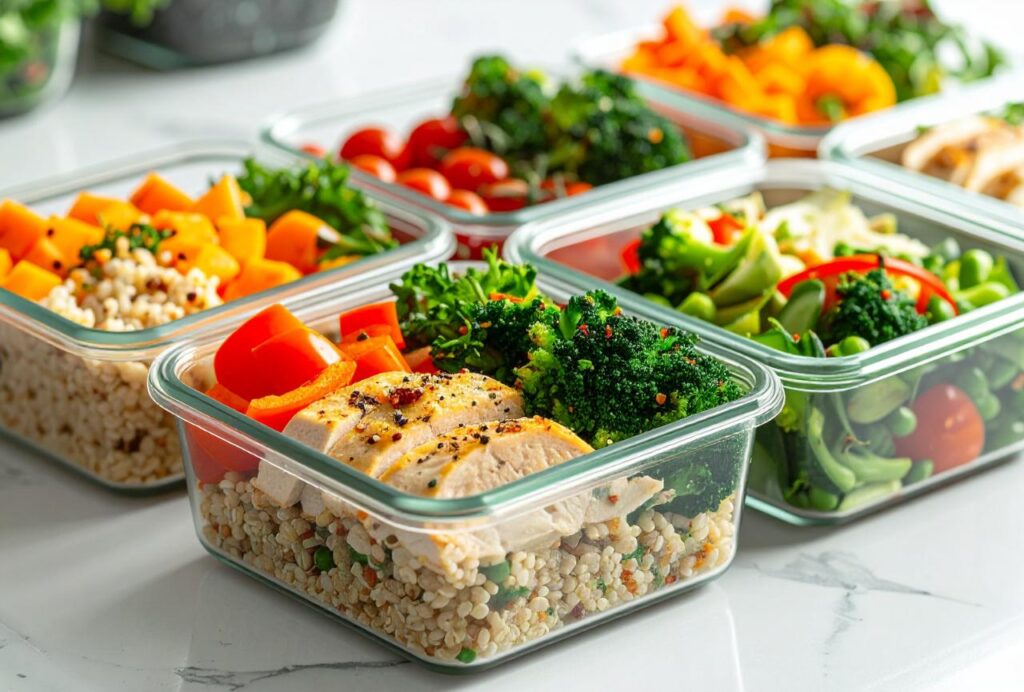
Simple Healthy Eating Habits for Beginners
Starting a healthier lifestyle doesn’t mean giving up all your favorite foods or following a strict diet. For beginners, the biggest challenge is often knowing where to start and how to make better food choices without feeling overwhelmed.
The good news is that healthy eating doesn’t have to be complicated. A few simple changes to your daily habits can help you feel better, support your fitness goals, and build a healthier relationship with food.
Here are some practical habits you can start building today.
1. Start Your Day With a Balanced Breakfast
Breakfast is a great opportunity to give your body the nutrients it needs to start the day.
Try including a combination of protein, fiber, and healthy carbohydrates.
Some simple options include:
- Eggs with whole-grain toast.
- Greek yogurt with fruit.
- Oatmeal with nuts and berries.
- A smoothie with protein-rich ingredients.
Choose foods that keep you satisfied and fit your daily routine.
2. Include Protein in Your Meals
Protein plays an important role in muscle repair, recovery, and overall health.
Try adding a source of protein to your main meals, such as:
- Chicken or fish.
- Eggs.
- Greek yogurt.
- Beans and lentils.
- Tofu.
If you’re exercising regularly, getting enough protein can also help support your fitness goals.
3. Eat More Fruits and Vegetables
Fruits and vegetables provide essential vitamins, minerals, and fiber.
Instead of making dramatic changes to your diet, start by adding one extra serving of vegetables to lunch or including a piece of fruit as a snack.
Small additions can gradually make your meals more balanced.
4. Drink Enough Water
Staying hydrated supports many important functions in your body, including digestion and temperature regulation.
Keep a water bottle nearby and drink throughout the day. Your hydration needs may vary depending on your activity level, climate, and individual needs.
5. Plan Your Meals Ahead
When life gets busy, it’s easy to rely on convenient food choices.
Planning a few meals ahead can make healthy eating much easier.
You can:
- Prepare some ingredients in advance.
- Keep healthy snacks available.
- Plan simple meals for busy days.
- Make a grocery list before shopping.
You don’t need to prepare every meal for the entire week. Even a little planning can help.
6. Practice Portion Awareness
Healthy eating isn’t just about what you eat. It’s also about understanding how much food your body needs.
Try paying attention to your hunger and fullness signals. Eat slowly, enjoy your meals, and avoid feeling pressured to finish everything on your plate.
Remember, your nutritional needs depend on your body, activity level, and personal goals.
7. Avoid Extreme Dieting
One of the biggest mistakes beginners make is trying to change everything overnight.
Skipping meals, cutting out entire food groups, or following overly restrictive diets can make healthy eating difficult to maintain.
Instead, focus on balanced meals and habits you can realistically follow over time. You can still enjoy your favorite foods while making nutritious choices most of the time.
8. Focus on Progress, Not Perfection
You don’t need to eat perfectly every day to build a healthier lifestyle.
There will be busy days, celebrations, and meals that don’t go exactly as planned. That’s completely normal.
What matters most is returning to your healthy habits without guilt and continuing to move forward.
Build Healthy Habits That Last
Healthy eating is not about following a temporary diet or completely changing your lifestyle overnight. It’s about making small, consistent choices that support your body and your long-term goals.
At FrimFit, accountability coaching helps you develop realistic habits, stay consistent, and create a fitness routine that works with your everyday life.
Start with small changes. Stay consistent. Build a healthier lifestyle one meal at a time.